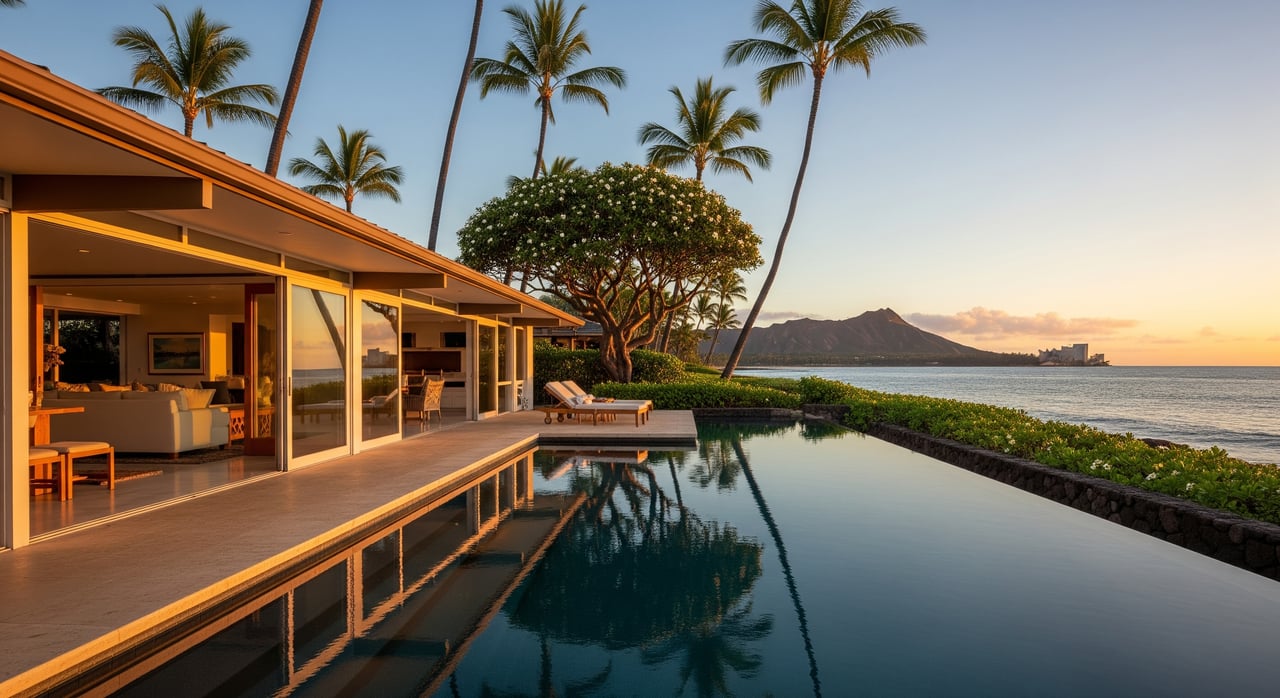
Picture a morning walk along a quiet shoreline, coffee in hand, with Diamond Head on the horizon and the city just minutes away. If that sounds like your pace, Kahala may be the neighborhood you are looking for. You want space, privacy, and easy access to Honolulu’s best amenities without the bustle of a tourist district. In this guide, you will learn what daily life feels like in Kahala, what kinds of homes you can expect, how people get around, and what to know about schools, costs, and local rules. Let’s dive in.
Kahala at a glance
Kahala sits on Oahu’s southeast shore between Diamond Head and Hawaii Kai. It fronts the Kalanianaole Highway and Waialae Avenue corridor and is a short drive to Waikiki. The area is part of East Honolulu, and it feels tucked away from the city’s busiest streets.
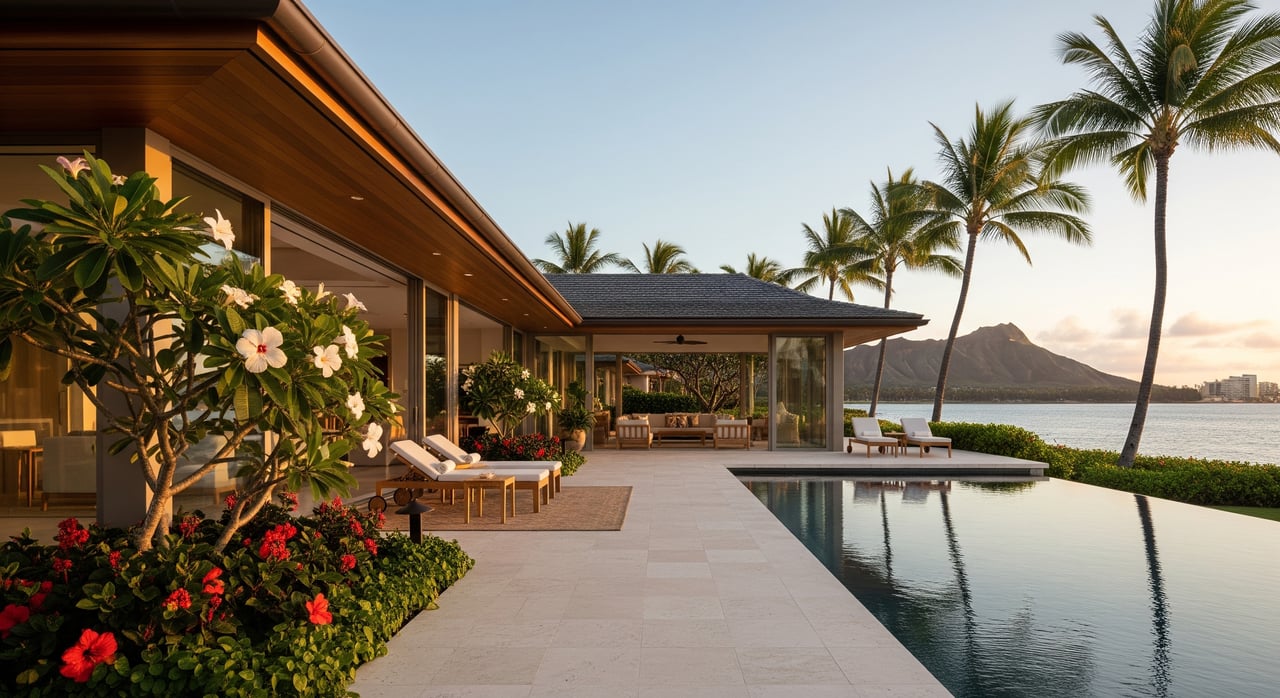
The neighborhood is known for larger single-family lots, oceanfront estates, and a mix of mid-century and modern luxury homes. Streets are calm and residential, which creates a sense of privacy. Landmarks like the Kahala Hotel & Resort, Waialae Country Club, and Kahala Beach shape the local identity and bring occasional event energy without overwhelming the area.
Daily life in Kahala
Life in Kahala leans residential and relaxed. The rhythm is more about morning beach time, neighborhood errands, and family gatherings than nightlife. Many residents work in Waikiki or downtown and value the quick commute paired with a quiet home base.
Beaches and outdoors
Kahala Beach offers shoreline access and scenic stretches for walking and relaxing. Public access points exist, though they are fewer than in denser parts of Honolulu. Water conditions vary with season and location, so you will see calm days for swimming and other days with stronger surf and currents.
You are also close to popular outdoor spots across the southeast shore. Hanauma Bay and Koko Head are a short drive for snorkeling and hiking, and Diamond Head trails are nearby for panoramic views. Local parks and green spaces add easy options for daily exercise.
Shopping and dining
For errands, you will find neighborhood centers and retail along Waialae Avenue and nearby districts like Kaimuki and Aina Haina. Expect groceries, pharmacies, and service retail within a short drive. When you want a broader selection, Ala Moana’s commercial area expands choices for shopping and specialty items.
Dining in Kahala tends toward casual neighborhood restaurants and café spots, with upscale dining at the Kahala Hotel & Resort. For a wider restaurant scene, many residents head to Kaimuki, Waikiki, or Ala Moana where independent eateries and well-known names are easy to explore.
Community and culture
Kahala’s social life is low-key and community oriented. Neighbors connect through school activities, neighborhood associations, and events tied to the golf club or hotel. You can count on a steady calendar of citywide farmers’ markets, including well-known weekly events in nearby neighborhoods, along with cultural happenings in Waikiki and downtown.
Homes and architecture
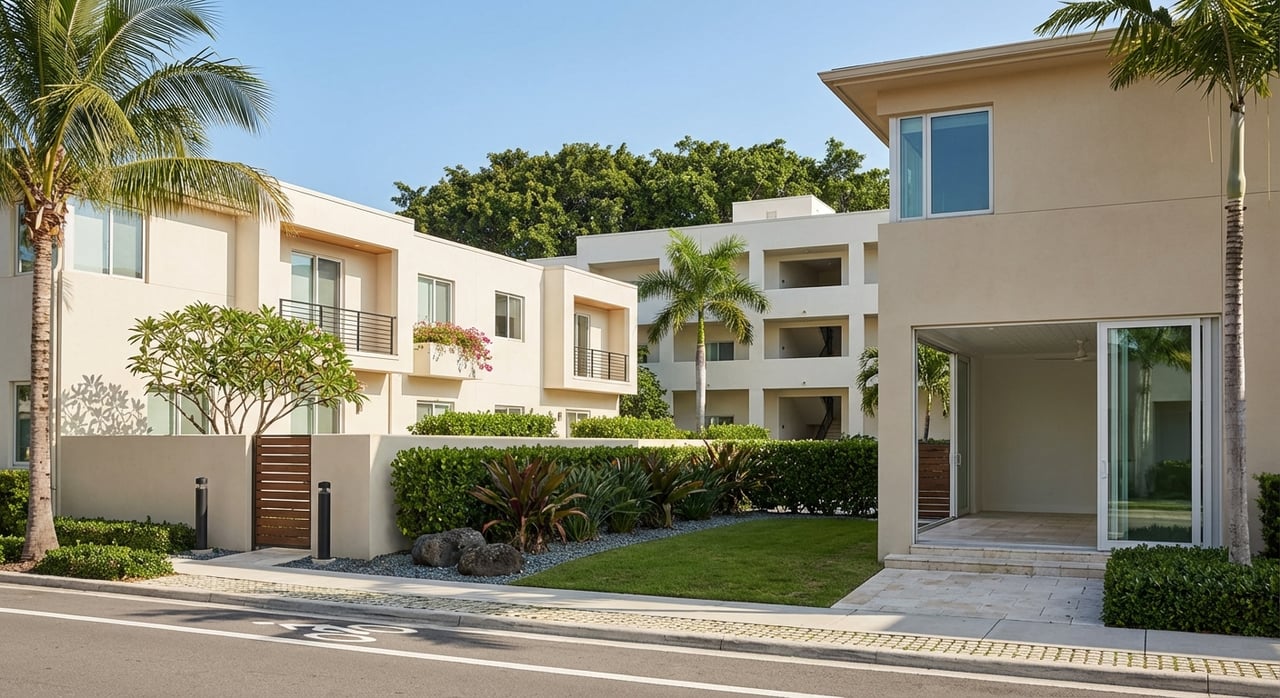
Kahala is primarily single-family, with large lots and a variety of architectural styles. You will find mid-century homes with postwar lines, tropical and plantation-inspired designs, Mediterranean-influenced remodels, and contemporary luxury builds. Many original homes have seen significant renovations or complete rebuilds.
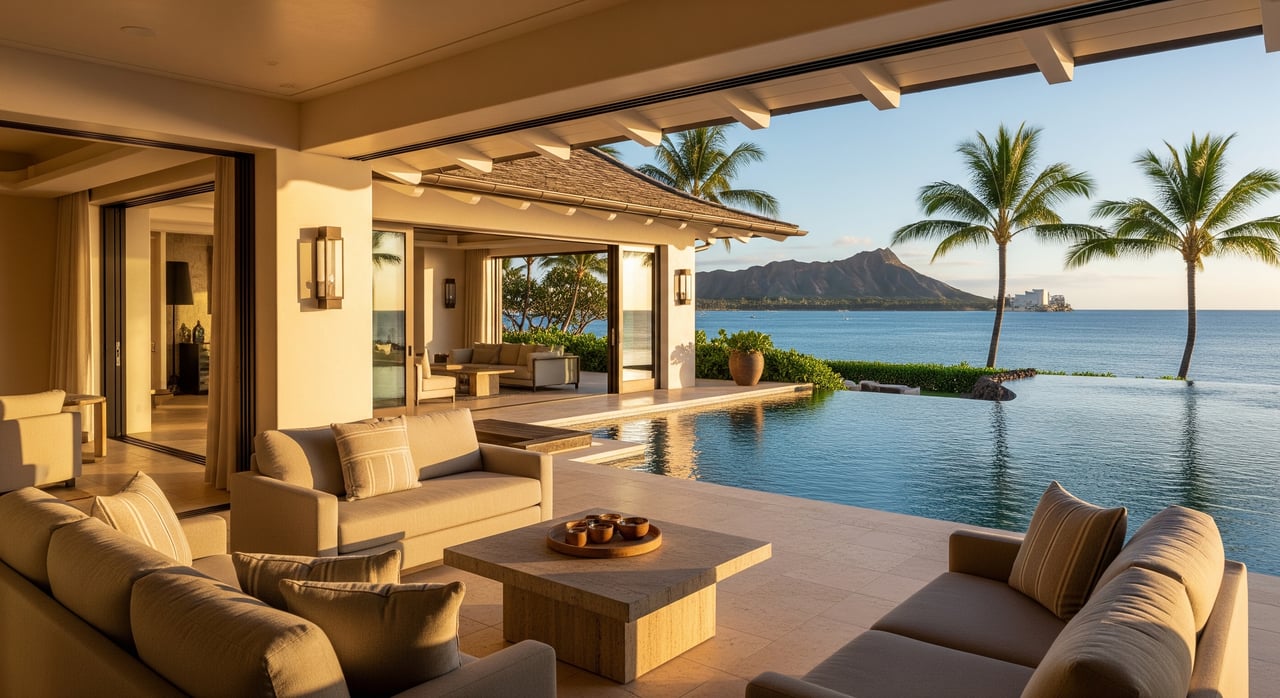
Oceanfront properties and gated estates sit along select corridors, and they are among Honolulu’s most sought-after addresses. Condominiums are less common in central Kahala than in Waikiki or Ala Moana, though small condo pockets and apartments appear along connecting routes.
Market patterns and costs
Kahala operates as an upper-market, luxury-leaning neighborhood. Inventory for well-located single-family homes can be tight, and oceanfront estates often command premium pricing. Interior single-family homes and remodeled properties generally range from high six-figures into the low-to-mid seven figures, while prime oceanfront estates sell for several million to double-digit millions.
Ownership costs reflect the setting. Hawaii’s property tax rates are relatively low compared with many states, but assessed values in high-end neighborhoods are substantial. Coastal homes can carry higher maintenance needs due to salt air, landscaping demands, and seawall or shoreline upkeep where applicable. Insurance, particularly wind, hurricane, and flood coverage for properties in higher-risk zones, can be a notable line item. Some enclaves have associations, trustees, or private amenities, so it is smart to review HOA rules and assessments during due diligence.
If you plan to buy or sell in Kahala, the luxury segment’s sensitivity to interest rates and global buyer appetite is worth tracking. When demand is strong, desirable homes tend to move with focused marketing. When the broader market cools, pricing and positioning matter even more.
Getting around Kahala
Most daily errands are easiest by car, given Kahala’s low-density layout. TheBus provides routes along Kalanianaole Highway and Waialae Avenue for trips to Waikiki, downtown, and other neighborhoods, and you can confirm exact routes and schedules before you plan your commute.
Driving times vary by time of day. Many residents report around 10 to 20 minutes to Waikiki in typical traffic and roughly 15 to 30 minutes to downtown Honolulu or the University of Hawaii at Manoa. Street parking rules vary by block, and most homes include garages or driveways.
Schools and education
Kahala is served by public schools within the Hawaii Department of Education system. School boundaries can change, so it is important to confirm the current assignment for a specific address using official DOE resources. Honolulu also offers a wide range of private schools across the city, including campuses in nearby neighborhoods. Application timelines, transportation, and admissions vary by school.
If schools are central to your move, plan early. Ask about enrollment calendars, bus routes, and how commute times line up with your daily schedule.
Coastal risks and permits
Beachfront living brings rewards and responsibilities. Coastal erosion, high surf, and rip currents are real considerations, and long-term sea-level rise projections are part of any careful planning. If you are evaluating an oceanfront parcel, review flood maps and coastal hazard resources, then factor those insights into your offer, inspections, insurance, and maintenance plan.
Permitting can also be complex for shoreline work. Seawalls, revetments, and major rebuilds typically require approvals and can be subject to state and county environmental rules. Engage early with local planning and building departments, and set realistic timelines for design and permitting.
Short-term rentals
Honolulu’s short-term rental regulations continue to evolve, and many residential areas do not allow transient vacation rentals. Kahala’s residential character, plus any applicable HOA rules, means you should not assume a home can be used as a vacation rental. If rental income is part of your plan, confirm zoning, registration requirements, and any neighborhood restrictions before you buy.
Is Kahala right for you?
Kahala appeals to buyers who want a quiet residential setting, space to spread out, and quick access to Honolulu’s core. The neighborhood’s identity is well established, and its housing stock ranges from classic mid-century homes to new luxury builds. You will likely appreciate the proximity to beaches and outdoor spots, along with the calm streets that make daily life feel easy.
Tradeoffs are worth weighing. Purchase prices are high for many homes, especially near the water. Coastal ownership adds insurance, maintenance, and permitting considerations. Public beach access points exist but can be more limited than in denser beachfront districts. Nightlife is modest in the immediate area, so plan on short drives for more dining and entertainment variety.
If these factors match your lifestyle, Kahala belongs on your shortlist. It offers an everyday island experience that is close to the city yet set apart in all the right ways.
Work with a local guide
Choosing the right home in Kahala comes down to details, from a street’s microclimate to resale potential and renovation scope. You deserve a guide who will help you weigh tradeoffs, confirm rules and permits, and craft a plan that fits your goals. If you want a hands-on partner who can also support rental placement and property management after closing, reach out to Temari Malone to get started. Schedule a Free Consultation and take the next step with a local, concierge approach.
FAQs
Beach access in Kahala
- Public beach access points exist along Kahala Beach, and exact proximity depends on the specific street and parcel you choose.
Commute times from Kahala
- Many residents report about 10 to 20 minutes to Waikiki and roughly 15 to 30 minutes to downtown, depending on traffic and time of day.
School options in Kahala
- The neighborhood is served by public schools in the Hawaii DOE system, and families also consider private schools across Honolulu, so confirm assignments and timelines before you decide.
Costs of owning oceanfront in Kahala
- Expect higher maintenance and insurance needs due to coastal exposure, and review flood zones, shoreline rules, and any seawall or permitting requirements early.
Short-term rentals in Kahala
- Many residential properties are not eligible for short-term rentals, so verify city rules and any HOA restrictions before planning rental income.