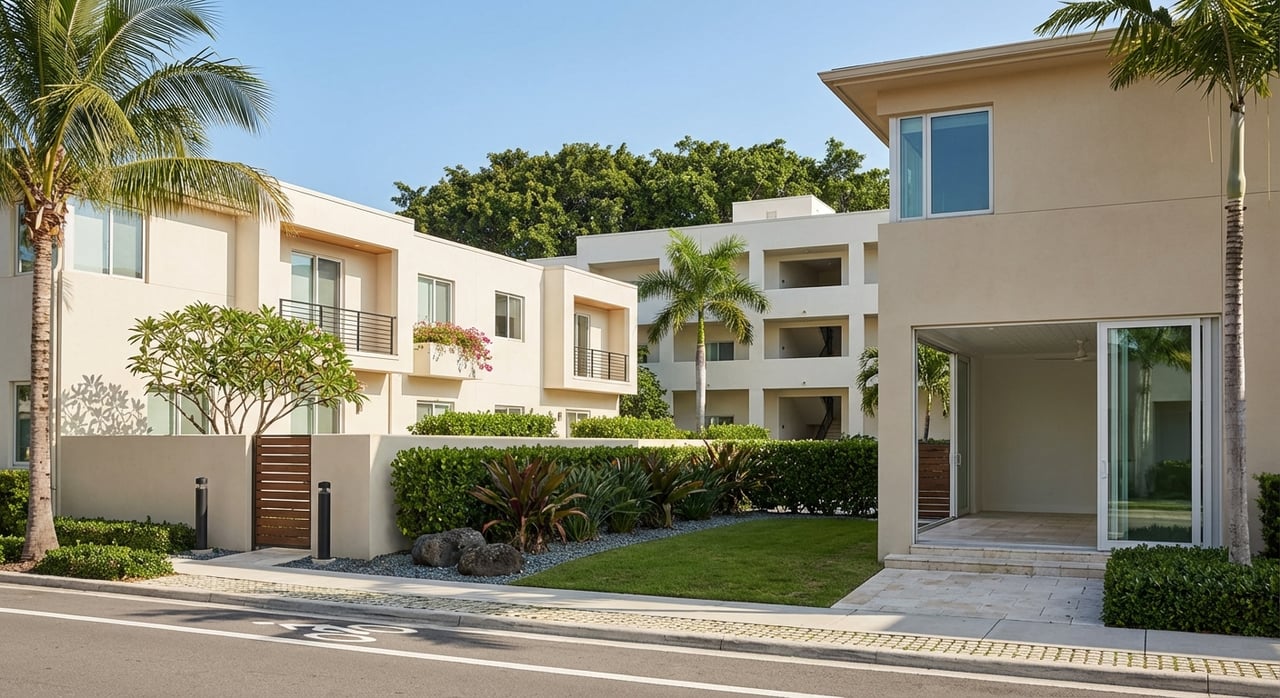
Creating a greener home is a goal for many homeowners looking to reduce their environmental impact and save on energy costs. Energy-efficient upgrades not only contribute to a healthier planet but also offer long-term financial benefits. By implementing affordable energy upgrades, homeowners can enjoy a more sustainable living environment without breaking the bank. Here are some practical steps to consider for making your home more energy-efficient.
Insulation Improvements
One of the most effective ways to enhance your home's energy efficiency is by improving insulation. Proper insulation helps maintain a consistent indoor temperature, reducing the need for excessive heating or cooling. Consider adding insulation to your attic, walls, and floors to minimize heat loss during winter and keep your home cooler in the summer. Insulation materials such as fiberglass, cellulose, or foam can be relatively inexpensive and offer significant energy savings over time.
Energy-Efficient Windows
Upgrading to energy-efficient windows can have a substantial impact on your home's energy consumption. Double or triple-pane windows with low-emissivity coatings help reduce heat transfer, keeping your home comfortable year-round. These windows also minimize drafts and reduce noise pollution. While the initial investment may be higher, the long-term savings on heating and cooling costs make it a worthwhile upgrade.
LED Lighting
Switching to LED lighting is a simple yet effective way to reduce energy usage. LED bulbs consume significantly less electricity than traditional incandescent bulbs and have a longer lifespan. By replacing all the bulbs in your home with LEDs, you can lower your energy bills and reduce the frequency of bulb replacements. Additionally, LED lights are available in various styles and brightness levels, making them suitable for any room in your home.
Smart Thermostats
Installing a smart thermostat is an excellent way to optimize your home's heating and cooling systems. These devices allow you to program temperature settings based on your schedule, ensuring that energy is not wasted when you're not at home. Smart thermostats can also learn your preferences over time and make automatic adjustments to maximize energy efficiency. Many models can be controlled remotely via smartphone apps, providing convenience and further energy savings.
Solar Panels
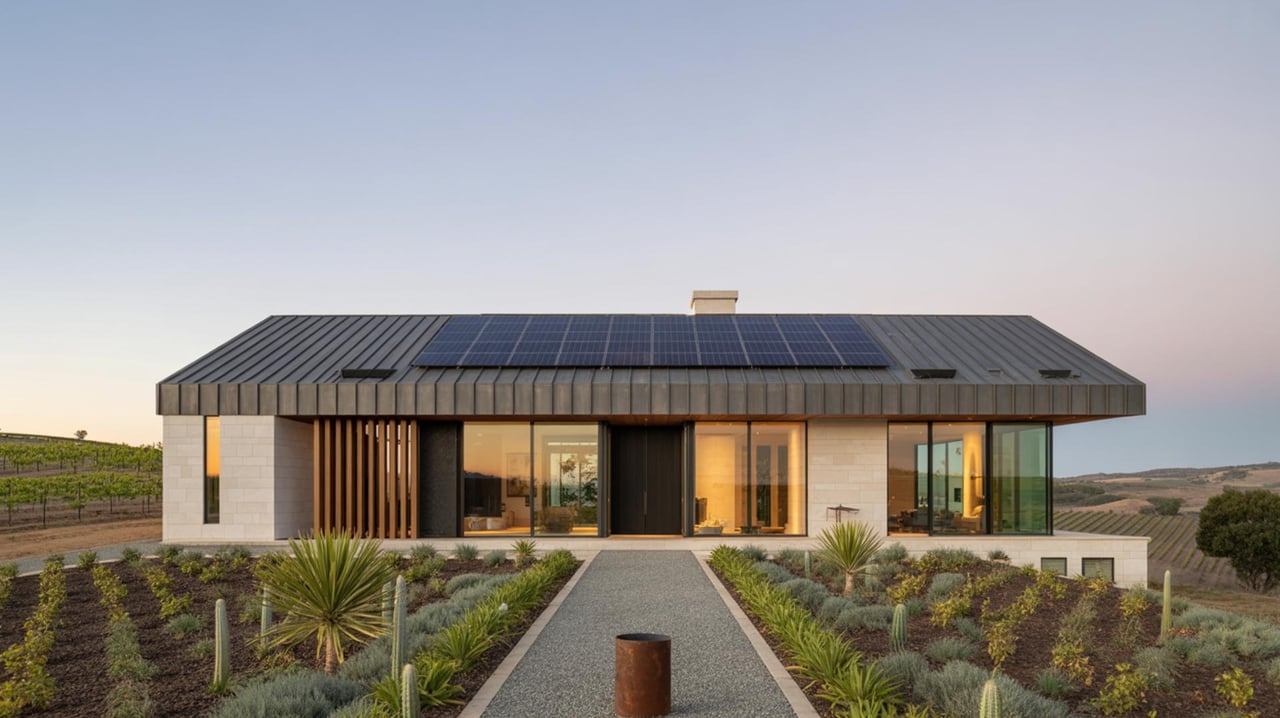
While solar panels require a more significant upfront investment, they offer substantial long-term energy savings and environmental benefits. By harnessing the power of the sun, solar panels can significantly reduce or even eliminate your reliance on traditional energy sources. Many areas offer tax incentives or rebates for solar panel installation, making this upgrade more affordable. Over time, the reduction in electricity bills can offset the initial costs, providing a sustainable energy solution for your home.
Energy-Efficient Appliances
Replacing old appliances with energy-efficient models can lead to considerable energy savings. Look for appliances with the ENERGY STAR label, which indicates that they meet strict energy efficiency guidelines. Upgrading appliances such as refrigerators, dishwashers, and washing machines can reduce energy consumption and lower utility bills. While the cost of new appliances can be high, the energy savings and potential rebates can make this a cost-effective upgrade.
Water-Saving Fixtures
Installing water-saving fixtures is another way to make your home more environmentally friendly. Low-flow showerheads, faucets, and toilets reduce water usage without sacrificing performance. These fixtures can help conserve water and reduce your water bills. Additionally, consider installing a rainwater harvesting system to collect and reuse rainwater for outdoor irrigation, further enhancing your home's sustainability.
Weatherstripping and Sealing
Weatherstripping and sealing gaps around doors and windows can prevent drafts and improve your home's energy efficiency. This simple and affordable upgrade helps maintain a consistent indoor temperature by preventing air leaks. By sealing these gaps, you can reduce the workload on your heating and cooling systems, leading to lower energy bills and increased comfort.
Energy Audits
Conducting an energy audit is a valuable step in identifying areas where your home can improve its energy efficiency. An energy audit involves assessing your home's energy usage and identifying opportunities for upgrades. Many utility companies offer free or low-cost energy audits, providing homeowners with personalized recommendations for energy-saving improvements. By understanding your home's energy profile, you can prioritize upgrades that offer the most significant impact.
Programmable Power Strips
Using programmable power strips can help reduce energy consumption from electronics and appliances that draw power even when turned off. These power strips allow you to set schedules for turning off devices automatically, preventing standby power usage. By managing your electronics' energy consumption more effectively, you can lower your electricity bills and reduce your home's overall energy footprint.
Make Your Home Greener Today
Incorporating affordable energy upgrades into your home is a smart way to save money and help the environment. By making these changes, you not only reduce your energy bills but also contribute to a healthier planet. Whether it's installing solar panels or upgrading to energy-efficient appliances, every step counts. If you're ready to explore more ways to make your home greener, reach out to Temari Malone for expert advice and guidance tailored to your needs.