Are you comparing two condos in Hawaii Kai and wondering why one monthly fee is hundreds more? You are not alone. In waterfront neighborhoods like Hawaii Kai, AOAO fees can vary widely based on location, building type, and long-term maintenance needs. In this guide, you will learn what AOAO fees cover, how marina-front and hillside communities differ, which documents to review, and how to factor everything into your monthly budget. Let’s dive in.
AOAO basics in Hawaii Kai
In Hawaii, most condo associations are called Associations of Apartment Owners (AOAOs). The AOAO manages the building’s common elements, collects monthly fees, enforces rules, maintains insurance for shared property, and plans for future repairs through reserves. Your rights and responsibilities are defined by the condo declaration, bylaws, house rules, and Hawaii’s condominium statutes.
In practice, when you buy a condo, you or your agent requests an AOAO resale packet or resale certificate from the managing agent or board. This packet includes budgets, reserve information, insurance summaries, meeting minutes, and rules. Reviewing these documents is an essential part of your due diligence.
What AOAO fees usually cover
AOAO fees fund day-to-day operations and longer-term capital needs. Always review the budget to see what is included for the specific building you are considering.
Operating expenses you may see
- Common-area maintenance such as landscaping, janitorial, trash removal, pest control, pool and spa upkeep, and groundskeeping.
- Utilities that are often included: water and sewer, common-area electricity, and sometimes bulk cable or internet. In some buildings, unit water or electricity is included, but in others it is billed separately.
- Elevator service and repair in mid-rise and high-rise buildings. Older elevators can require major modernization.
- Building systems such as common-area HVAC, pump systems, drainage, and stormwater features. Hillside properties often budget more for drainage and slope management.
- Security and access control, including staffed gates or camera systems.
- Professional management fees and administrative costs like accounting, audits, and legal support.
- Association insurance premiums for the master property and liability coverage, plus directors and officers insurance where applicable.
Reserves for big-ticket items
Beyond monthly operations, AOAOs contribute to reserves to pay for large replacements and repairs. Common reserve projects include roofs, exterior painting, elevator overhauls, concrete spalling repairs, paving, and pool replastering. Many associations maintain a reserve study to estimate timing and contribution levels. In coastal Hawaii, exterior components often have shorter life cycles due to salt air, so reserves may need to be stronger.
A useful metric is the reserve funded ratio, which compares current reserve balances to projected needs. Low funded ratios increase the risk of special assessments.
Insurance: master policy vs. your policy
The AOAO’s master policy typically covers the building’s common elements and structural components as defined by the policy. Coverage language can vary. As an owner, you will usually carry an HO-6 condo policy to cover interior finishes, personal property, and loss assessment coverage. In Hawaii, wind and hurricane exposure matter, and some buildings carry higher deductibles. If a large claim occurs, some of that deductible can be passed to owners through special or loss assessments. Be sure to check the master policy deductible and the AOAO’s plan for funding deductibles.
Special assessments and extra fees
If reserves fall short or an unexpected issue arises, the board may levy a special assessment or borrow funds. This can be a one-time charge or paid over time. Some items, such as parking stall assessments, storage, boat slip or mooring fees, and submetered utilities, may be billed separately from monthly AOAO fees. Confirm what transfers with the unit and what is paid under a separate agreement.
Marina-front vs. hillside: how costs differ
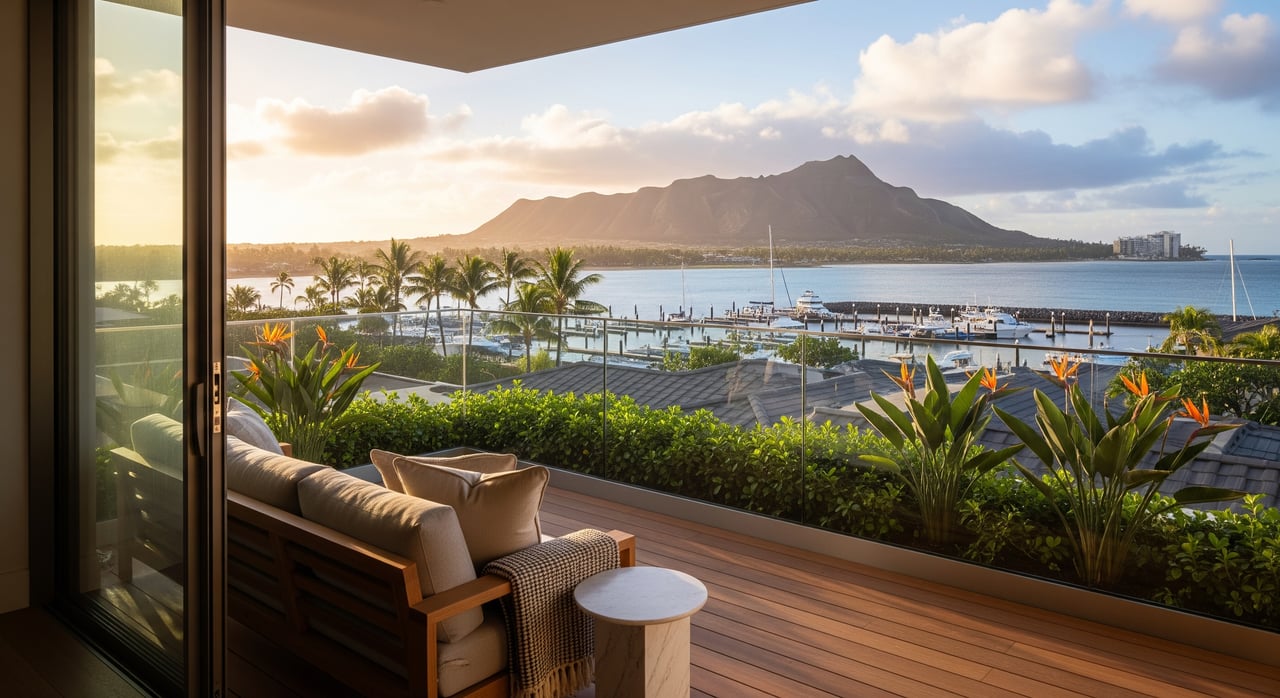
Hawaii Kai has both marina-front buildings and hillside townhouse communities. Each setting faces different maintenance needs and risk profiles, which can affect AOAO fees and assessment risk.
Marina-front buildings
Waterfront properties deal with salt air that accelerates corrosion of metal and concrete. Expect more frequent exterior painting, spalling repairs, and shorter replacement cycles for exposed building systems. If docks, wharfs, or marina infrastructure are part of the property, the AOAO may fund maintenance through fees or separate charges. Insurance premiums and deductibles can be higher on the water.
Large capital projects are more common on the waterfront, such as seawall repairs, concrete restoration, and dock rehabilitation. These projects can be expensive and may trigger special assessments or association borrowing.
Hillside communities
Hillside properties tend to manage slope stability, drainage, and retaining walls. After heavy rains, associations may need enhanced drainage or erosion control work. Private access roads and resurfacing can also be AOAO responsibilities. Issues may develop over time and then require targeted capital projects.
Amenities and staffing
Marina-front mid- and high-rises often have more amenities, such as pools, fitness rooms, and concierge or security staff. These increase operating costs. Smaller hillside townhouse complexes may show lower monthly fees, but they may also have simpler operations. In smaller associations, check whether professional management is in place and whether reserves are funded to a clear plan.
How to read the AOAO resale packet
When you zero in on a property, request a complete set of AOAO documents and read them with care. These papers reveal both the current fee picture and future risks.
Documents to request
- Current operating budget with line-item detail.
- Most recent financial statements, ideally reviewed or audited.
- Latest reserve study and the current reserve balance schedule.
- Reserve fund balances for the last 3 to 5 years.
- Board meeting minutes for the past 6 to 12 months, plus any notices of upcoming budget or assessment votes.
- AOAO master insurance declarations, coverage limits, and deductibles.
- House rules, CC&Rs, bylaws, and pet or lease rules.
- Summary of delinquent assessments or the delinquency rate.
- Special assessment history for the past 5 to 10 years and any planned capital projects with cost estimates and timelines.
- Contracts for major services such as management, landscaping, security, and elevator maintenance.
- Reserve expenditure reports for recent major repairs.
- Pending litigation disclosures.
- Details on boat slips and moorings, including ownership, assignment rules, fees, and maintenance responsibilities.
Key numbers and trends to check
- Which utilities and services are included in the monthly fee. Confirm if water, electricity, internet, or cable are included or billed separately.
- Reserve funded ratio and contribution levels compared with the reserve study. Look for realistic timing and adequate funding of upcoming replacements.
- Insurance deductibles and whether the AOAO has a plan to fund large deductibles after a covered loss.
- Fee trends over the past 3 to 5 years. Gradual increases are common. Sharp jumps can signal underfunding or major projects.
- Delinquency levels. High delinquency strains cash flow and can increase assessment risk.
- Status of any litigation and potential liabilities.
- Near-term projects such as exterior painting, spalling repairs, roof replacement, or elevator modernization. Confirm whether they are funded or likely to require assessments.
Red flags that deserve follow-up
- No recent reserve study or reserves that are very low relative to projected needs.
- Very large master policy deductibles without a funding plan.
- Multiple recent special assessments or approval of a major project without identified funding.
- Frequent board turnover or repeated emergency meeting notices.
- Significant, unresolved litigation.
- Unclear rules around boat slips or parking that could create unplanned fees.
Plan your monthly budget with AOAO fees
Your total monthly housing cost is more than mortgage and taxes. Build a realistic budget that reflects the way each building handles utilities and common expenses.
What to include in your monthly cost
- Mortgage principal and interest.
- Property taxes.
- AOAO fee.
- Owner’s condo policy (HO-6) premium estimate.
- Utilities not covered by the AOAO, such as electricity, water if submetered, gas, internet, and cable if not bulk-billed.
- Parking or boat slip fees, if separate.
- Any known special assessments and how you plan to pay them.
- Private mortgage insurance, if applicable.
Tip: If a building includes water, sewer, and bulk internet, a higher fee may still be a fair value compared with a lower-fee building that bills more utilities to owners.
Quick scenario checks before you commit
- Base case: Calculate your monthly cost with today’s AOAO fee as listed.
- Stress test: Model a hypothetical special assessment. For older waterfront towers, test a range such as 5,000 to 50,000 dollars. Compare a lump-sum payment to amortizing over 12, 36, or 60 months.
- Insurance sensitivity: For marina-front buildings, test higher owner insurance and possible pass-through of a master policy deductible after a major event.
- Utility sensitivity: If electricity is not included, add a realistic monthly estimate.
- Cash buffer: Aim for an emergency reserve equal to at least 3 months of mortgage, AOAO fee, and utilities. In waterfront buildings with higher assessment risk, consider a 6-month cushion.
Lender considerations you should know
Lenders count AOAO fees in your debt-to-income ratio, which can affect how much you qualify to borrow. Some loan programs and lenders also review association health, including reserve funding, owner-occupancy, and litigation. Share the AOAO documents with your lender early to avoid surprises.
Due diligence checklist you can use
- Operating budget with detail on what the fee covers.
- Reserve study and current reserve balance.
- AOAO master insurance summary and deductibles.
- Last 6 to 12 months of board minutes.
- Special assessment history and any planned projects with costs and timing.
- Delinquency summary and collection practices.
- Any pending litigation.
- Contracts for major services and elevator maintenance.
- Parking and boat slip terms, fees, and transfer rules.
- Records of major repairs over the past 5 to 10 years, such as spalling, painting, roofs, and elevators.
- Owner-occupancy rate and rental restrictions that could affect lending.
Smart questions to ask before you offer
- Are any capital projects planned in the next 1 to 5 years, and how will they be funded?
- How will the AOAO handle a large insurance deductible after a covered loss?
- When was the last reserve study, and are contributions at or above the recommendation?
- What assessments have been levied in the past 5 years, and how were they paid?
- What percentage of owners are delinquent, and what is the collection policy?
- Are boat slips or moorings included, assigned, or licensed, and what are the fees?
- Are there any open compliance items or permits that could lead to future costs?
When to bring in additional pros
For marina-front buildings, consider an independent structural or marine contractor, especially if the property is older or shows visible exterior wear. A real estate attorney, escrow, or title professional familiar with Hawaii condominiums can help interpret bylaws and disclosures. Share the AOAO documents with your lender and speak with an insurance agent who understands Hawaii condo policies, including HO-6 and master policy nuances.
The bottom line for Hawaii Kai buyers
AOAO fees are not just a line item. They tell a story about the building’s operations, the health of its reserves, and the unique demands of the location. Marina-front properties often carry higher maintenance and insurance exposure, while hillside communities tend to focus on slope, drainage, and private road upkeep. Neither is inherently better. The right choice depends on your lifestyle, risk tolerance, and budget.
If you want a clear read on a specific building’s fee structure, reserves, and upcoming projects, let a local advisor walk through the packet with you. Reach out to Temari Malone to review disclosures, compare properties, and build a confident budget for your Hawaii Kai condo search.
FAQs
What is an AOAO fee in Hawaii Kai condos?
- It is a monthly payment to the Association of Apartment Owners that funds building operations, insurance for common areas, and reserves for major repairs.
How do marina-front fees compare to hillside buildings?
- Marina-front buildings often face higher corrosion, exterior, and insurance costs, while hillside communities budget more for drainage, retaining walls, and private roads.
What does the reserve study tell me as a buyer?
- It outlines expected replacement timelines and costs for major components and helps you gauge whether reserves are adequate or if special assessments are likely.
Which utilities are usually included in AOAO fees?
- Water and sewer and common-area electricity are often included; some buildings add bulk cable or internet. Unit electricity or water may be separate in others.
What is a special assessment and why does it matter?
- It is an extra charge when reserves and operating funds are not enough for a major project or unexpected expense, and it can raise your monthly cost or require a lump sum.
How do AOAO fees affect my mortgage approval?
- Lenders include AOAO fees in your debt-to-income ratio and may review the association’s financial health, which can impact loan options and approval.