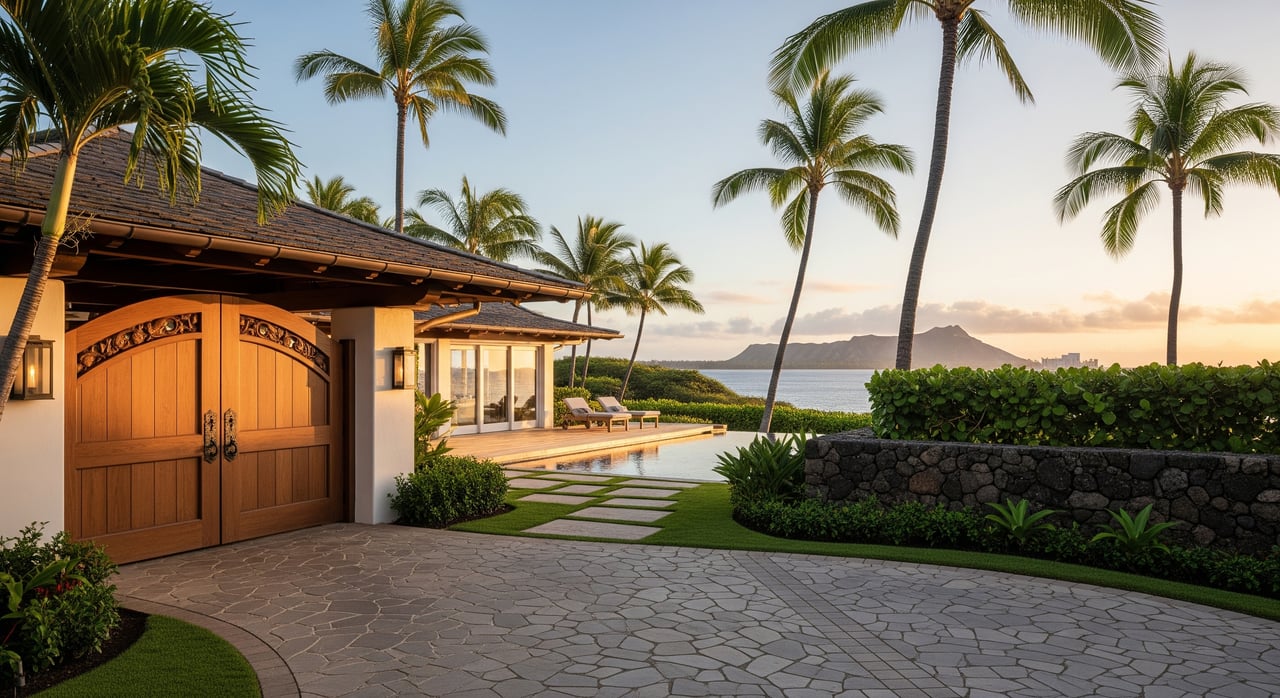
Planning work on your Kahala home? The permitting process can make or break your timeline. In a coastal neighborhood like Waialae‑Kahala, rules around shoreline, flood zones, and electronic plan review add layers you do not want to discover mid‑project. This guide shows you which permits matter, how the Honolulu DPP process works, and what to expect with timing and fees so you can plan with confidence. Let’s dive in.
How DPP affects Kahala projects
Honolulu’s Department of Planning and Permitting (DPP) is the authority for building permits, zoning approvals, coastal permits, and inspections across Oahu. Most construction, structural changes, and significant electrical or plumbing work need a permit and final inspections. You can review the permit types and requirements on the DPP’s building permits page.
Since 2023, plan sets for most projects must be submitted electronically through ePlans/ProjectDox. Prescreening is strict. If your plans or forms do not meet format rules, the system rejects the submittal and you reenter the queue. Expect a digital process and prepare a complete, DPP‑compliant packet from the start.
Visit the DPP building permits page and the ePlans/ProjectDox portal overview to see current requirements.
Permits you may need in Kahala
Building permits
You need a building permit to construct, alter, or demolish structures. Many electrical and plumbing jobs also require permits above set thresholds. Smaller jobs may qualify for an Instant Online Permit, but most residential additions and new homes require plan review submitted through ePlans.
Zoning approvals
If your project changes setbacks, height, use, or lot configuration, DPP may require a variance or other zoning approval before issuing a building permit. Your design team can confirm whether discretionary approvals apply during early planning.
SMA permits in Kahala
Parts of Kahala fall within the county’s Special Management Area. If your project counts as “development” in the SMA, you may need an SMA Minor or Major Use Permit depending on valuation and potential impacts. SMA approvals are typically required before other permits that affect coastal resources.
See DPP’s SMA permit guidance for what qualifies and how the process works.
Shoreline setback and shoreline certification
Work within the shoreline setback, often measured from the certified shoreline, may require a shoreline setback variance. The certified shoreline itself is established by the State and is the baseline for setback measurements. Coastal lots planning seawalls, decks, pools, or similar work near the beach should budget time for these steps.
Review shoreline variance instructions and the State’s shoreline certification program.
Flood zones and sea level rise
If your parcel is in a FEMA flood zone other than X, XS, or D, DPP typically requires a flood certification with your permit application. For near‑shore sites, DPP may ask you to show projected sea level rise inundation on your plans and address coastal risk.
Check DPP’s guidance on the building permits page and review the Hawaii Sea Level Rise Viewer during design.
Environmental and historic reviews
Some projects trigger state environmental review before DPP can issue discretionary permits. Ground‑disturbing work can also require review by the State Historic Preservation Division if archaeological resources may be present. Plan ahead if you expect excavation or site grading.
Contractor licensing and owner‑builder
Most permitted work requires a Hawaii‑licensed contractor. Owners can sometimes apply as an owner‑builder but must follow specific rules. Always verify licenses and classifications before you sign.
Use the State’s Contractors License Board page to confirm credentials.
Kahala‑specific friction points
- Shoreline proximity: Many Kahala lots sit in or near the SMA and the shoreline setback. Expect additional reviews, public notices, and possible hearings if your work is near the beach.
- Sea level rise documentation: DPP increasingly asks near‑shore projects to show sea level rise inundation and coastal erosion considerations on plan sheets.
- Flood zones: Flood‑mapped parcels face added documentation, elevation or foundation requirements, and insurance implications.
- Sloped or terraced lots: Topographic surveys are often required if grade differences exceed 5 feet. Retaining walls, drainage, and stability get close scrutiny.
- Archaeological triggers: Ground disturbance can require SHPD coordination and, at times, fieldwork that adds months to the schedule.
- ePlans prescreening: Incomplete or misformatted submittals are a common cause of rejection. A clean, complete electronic packet saves weeks.
- Variable review times: Simple online permits can be quick. Plan reviews, SMA, and shoreline variances can take months. Build contingency into your schedule.
Timeline, fees, and process
Typical steps
- Research your TMK, zoning, SMA and shoreline status, flood zone, and potential triggers before design.
- Hire Hawaii‑licensed design professionals and a licensed contractor, or register as owner‑builder when allowed.
- Prepare a complete ePlans submittal with all forms, stamped plans, surveys, and reports.
- Respond quickly to reviewer comments and any interagency referrals.
- Schedule and pass inspections, then obtain final sign‑offs for closure.
Fees to expect
Permit fees are based on project valuation. A Plan Review Fee is due when plans are accepted for review, and additional agency fees may apply. Use DPP’s fee calculator for a rough estimate while you budget.
Typical timelines
- Instant Online Permit: days to a few weeks if eligible.
- Residential plan review: a few weeks to several months, depending on workload and prescreen success.
- SMA and shoreline approvals: weeks for Minor actions, months for Major or shoreline variances that require hearings.
Inspections and closeout
Only the contractor who signed the permit can call for inspections. Final occupancy or permit closure requires passing all inspections and securing any related agency sign‑offs. Keep a closeout checklist and track each inspection to avoid last‑minute delays.
Kahala pre‑application checklist
- Confirm TMK, zoning, SMA boundary, shoreline setback, FEMA flood zone, and any sea level rise exposure.
- Order a topographic survey if your lot varies more than 5 feet in elevation or if you plan major additions.
- Engage an architect and structural engineer familiar with Oahu coastal sites.
- Verify contractor licenses and experience on similar coastal or sloped projects.
- Assemble a complete electronic packet: plans in DPP format, forms, flood certification, surveys, and any required correspondence.
- Build schedule and cost contingency for SMA, shoreline, flood, Fire, and other agency reviews.
Planning a project in Waialae‑Kahala comes with extra steps, but a clear plan and the right team make it manageable. If you want local guidance on how permitting and timelines could impact your sale, purchase, or renovation plans, connect with Temari Malone for neighborhood‑level insight and next steps.
FAQs
Do Kahala homeowners need an SMA permit for renovations?
- It depends on whether your property is in the Special Management Area and whether your work qualifies as “development.” Smaller, interior‑only jobs may not trigger SMA, but exterior coastal work often does.
How long does a Honolulu building permit take for a Kahala remodel?
- Instant Online Permits can be fast, but plan‑required residential permits can take weeks to several months depending on workload and the completeness of your submittal.
What is the shoreline setback and how is it determined in Kahala?
- The shoreline setback is measured from the State‑certified shoreline, and certain work within that zone requires a shoreline setback variance before building permits.
Do Kahala flood zones change permit requirements?
- Yes. If your TMK shows a flood zone other than X, XS, or D, you will likely need a flood certification and may face elevation or mitigation requirements during review.
Can I act as an owner‑builder in Kahala?
- In some cases, yes, but you must follow owner‑builder rules, and many projects still require licensed contractors due to scope and permit requirements.