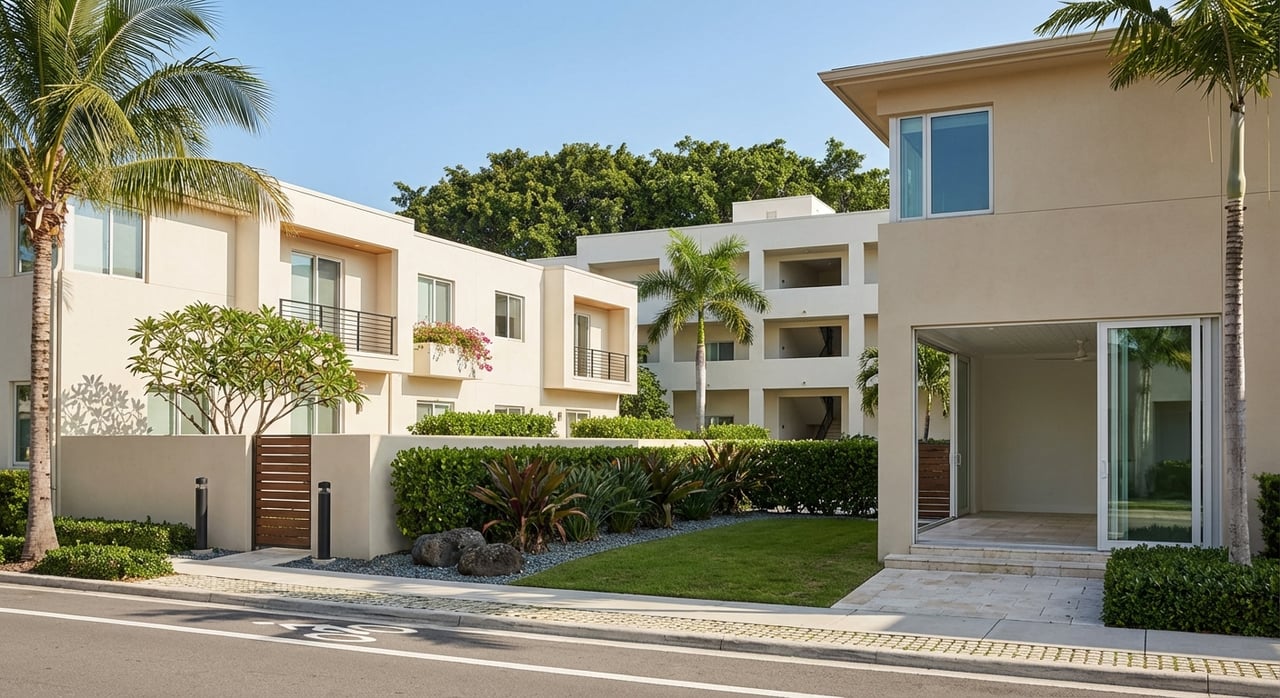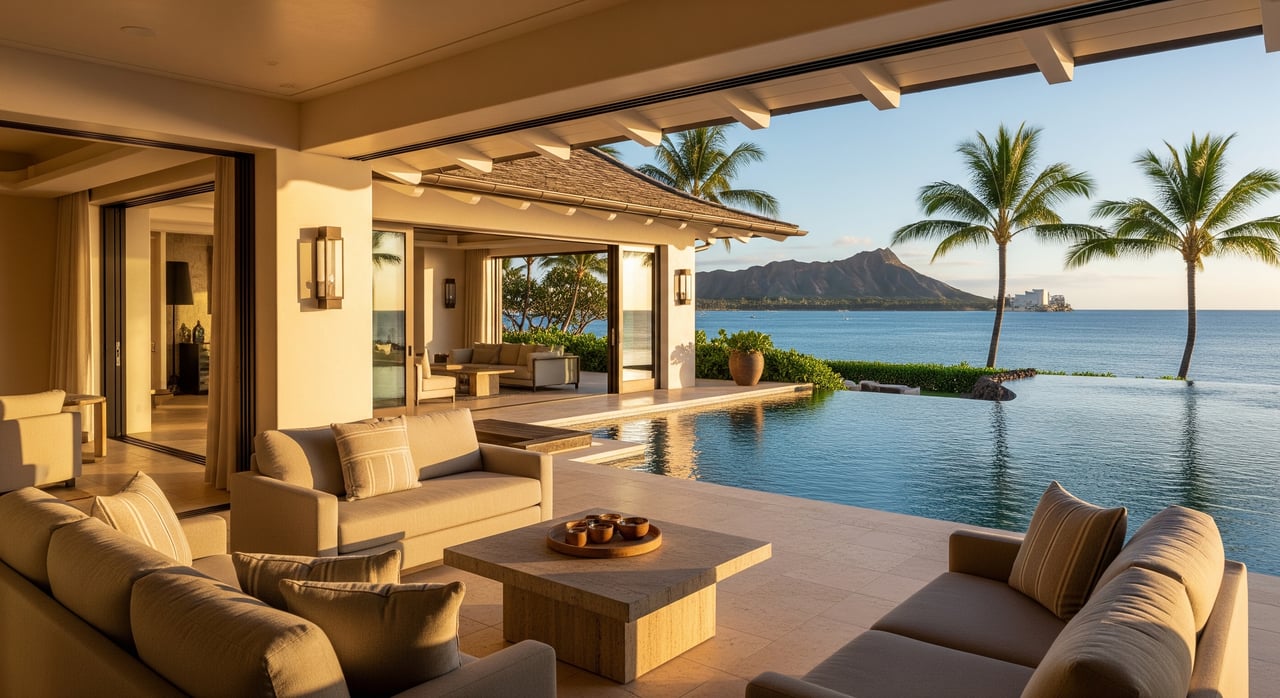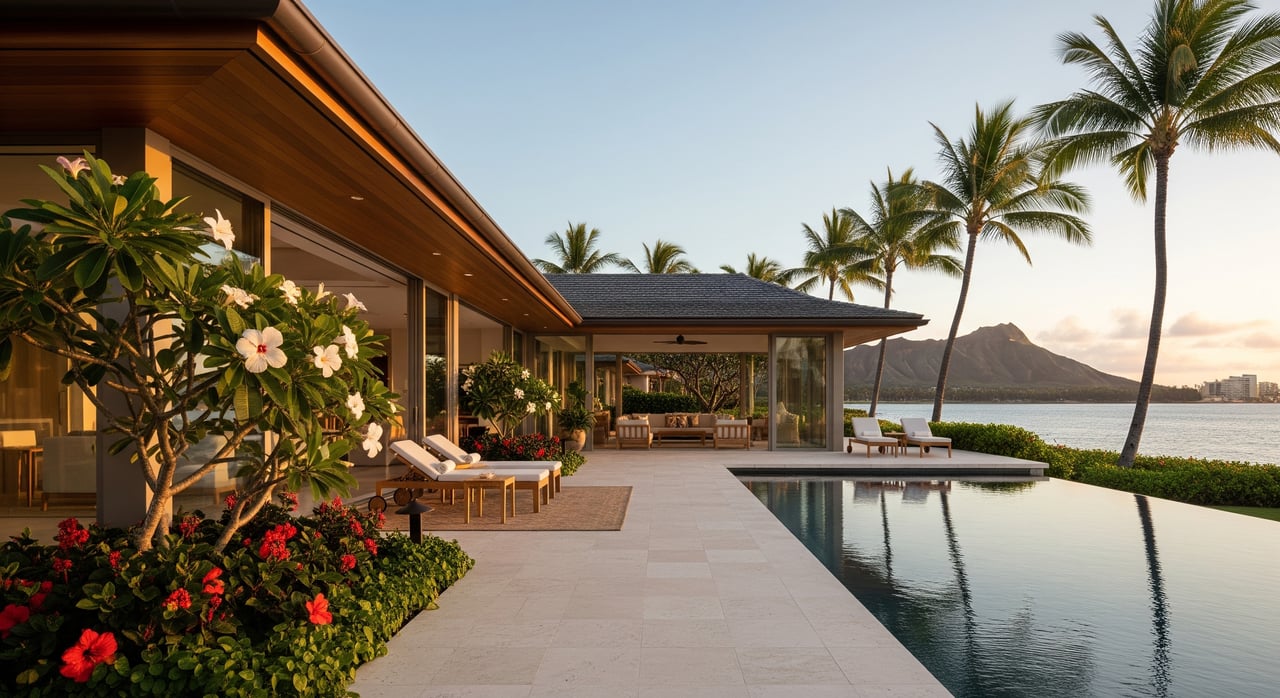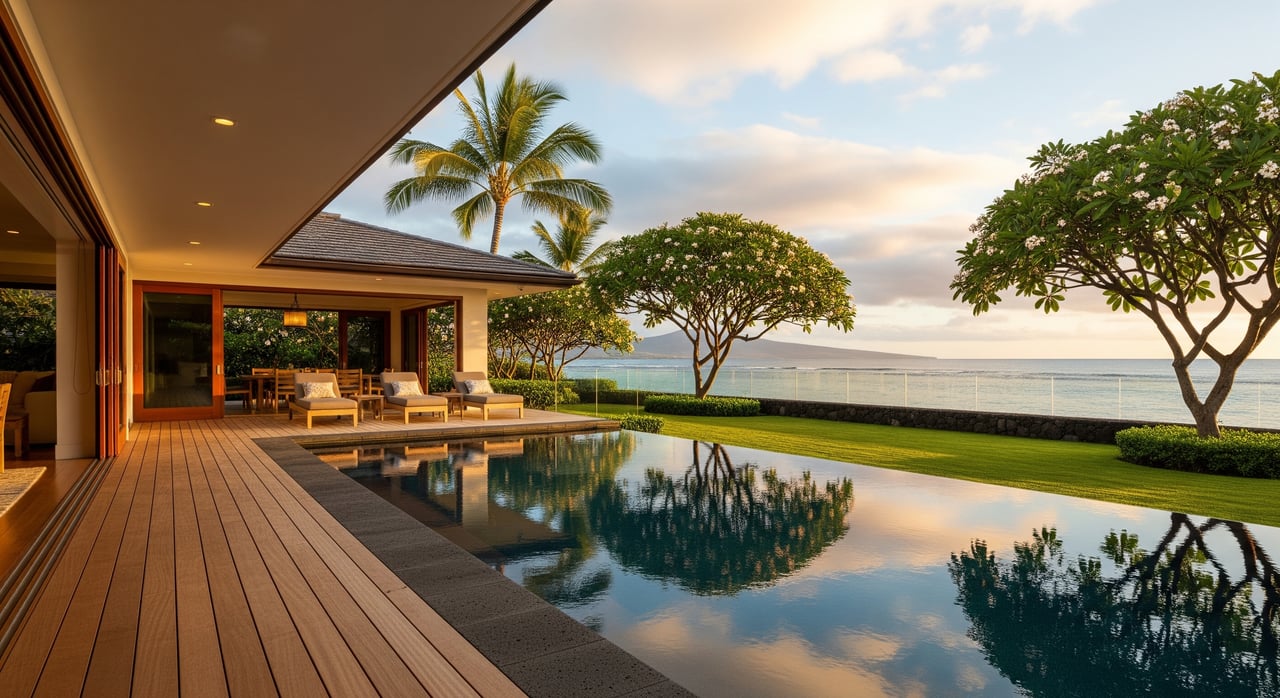
Salty breezes and soft tradewinds are part of why you love Kahala living. They also demand a smarter home care routine. If you own on the oceanfront or anywhere close to the shoreline, salt, humidity, UV, and storm exposure work faster on metals, coatings, windows, and AC systems than they would inland. This guide gives you a practical, seasonal schedule tailored to Waialae–Kahala so you can prevent corrosion, stop leaks early, and protect long-term value. Let’s dive in.
Why coastal exposure changes maintenance in Kahala
Oceanfront properties sit in a high-salt, high-humidity microclimate. Salt-laden air and spray accelerate corrosion on fasteners, railings, and exterior hardware. Strong UV breaks down paints, sealants, and plastics sooner than in temperate climates. Seasonal trade winds and winter Kona storms drive rain and salt into openings and across horizontal surfaces, increasing the risk of moisture intrusion. Your schedule should reflect these conditions and prioritize frequent inspections, rinsing, and timely recoating.
How to use this schedule
- Start quarterly checkups for anything metal or highly exposed.
- Do semiannual full exterior reviews each spring and fall.
- Log dates, photos, and invoices. A simple maintenance file supports resale and insurance.
- Increase frequency if your home is within direct salt spray or has a history of issues.
Spring: Prep and preventive work
Focus on washing, sealing, and getting mechanical systems ready for the warm season.
- Rinse salt from railings, balconies, exterior walls, and equipment using fresh water. A gentle soft wash preserves coatings.
- Clean gutters, scuppers, and downspouts. Confirm water flows away from the foundation.
- Inspect perimeter sealants around windows, doors, and penetrations. Re-caulk where adhesion is failing.
- Schedule HVAC service. Ask for coil cleaning, electrical terminal checks, filter replacement, and refrigerant line inspection.
- Check deck finishes. Recoat or re-stain wood as needed to keep moisture out.
- Inspect and tighten visible exterior fasteners. Replace corroded pieces with marine-grade equivalents.
Summer: UV and humidity management
Long days and tradewinds mean UV stress and steady salt exposure.
- Monitor exterior paint and coatings. Touch up or recoat any faded or chalking areas before they fail.
- Inspect sliding door tracks and rollers for salt buildup. Clean tracks and lubricate with manufacturer-recommended products.
- Keep quarterly visual inspections for railings, fasteners, and exposed hardware.
- Keep HVAC condensate drains clear. Consider a condensate overflow alarm if you have had clogs.
Fall: Pre-winter checks
Use early fall to get ahead of winter storms and higher surf events.
- Re-check all exterior sealants and schedule any major recoating before the rainy season.
- Inspect roof flashings, penetrations, and attic ventilation. Clear debris from valleys, gutters, and scuppers.
- Review grading and drainage near the foundation. Confirm water moves away from the structure.
- Update your maintenance file with photos and receipts from the past year.
Winter: Storm and surge readiness
Storm season can bring high surf, wind, and salt deposition.
- After storms, inspect for heavy salt buildup, impact damage, and debris. Rinse exposed surfaces and equipment when safe and permitted.
- Secure outdoor furniture and any loose items before high-wind events.
- Recheck weatherstripping, thresholds, and door sweeps for water intrusion.
- If you notice unusual staining or leaks, schedule a professional inspection promptly.
Annual and multi-year tasks
- Annual: Full exterior inspection by qualified pros, including your roof and exterior coatings.
- Every 2 to 3 years: Professional check of sliding door and window hardware. Evaluate insulated glass units for fogging and clarity.
- Every 3 to 7 years: Exterior repaint or recoat based on product and exposure. High-salt and UV-facing sides often need shorter intervals.
- Every 3 to 5 years: Corrosion assessment for primary structural metal connections, or sooner if you see rust or pitting.
- Replacement planning: Expect earlier replacement for window seals, HVAC condensers, and railings compared to inland homes. Budget accordingly.
Metals and fasteners that last
Salt air shortens the life of standard metals. Choosing the right materials reduces surprises.
- Use 316 marine-grade stainless steel or silicon bronze for exterior fasteners, rail fittings, and hardware in exposed zones.
- Avoid plain carbon steel and standard zinc-galvanized fasteners near salt spray.
- Keep metals compatible to prevent galvanic corrosion. If you must mix metals, use isolators where appropriate.
- Re-torque or tighten fasteners during seasonal checkups. Crevice corrosion often hides beneath heads and washers.
Exterior coatings and concrete protection
Coatings protect your home’s skin and slow moisture and chloride intrusion.
- For stucco, consider breathable elastomeric or acrylic systems that shed water while allowing vapor to escape.
- For concrete and masonry, a silane or siloxane penetrating sealer helps reduce chloride intake without trapping moisture.
- Choose UV-resistant topcoats and lighter colors where possible to reflect heat and sunlight.
- Follow manufacturer guidance for waterfront-rated products and application windows.
Windows, doors, and seals
Openings face constant wind-driven rain and salt. Routine care keeps them performing.
- Inspect perimeter caulk yearly. Re-caulk when you see cracking, gaps, or pull-back.
- Watch for fogging between panes. That often signals a failed sealed unit and usually calls for replacement.
- Keep weep holes open on sliders so water does not pool in frames.
- If replacing, consider thermally broken aluminum with coastal-rated finishes, or fiberglass/vinyl systems designed for marine exposure.
HVAC in a salt environment
Outdoor condensers take the brunt of salt and wind.
- Service at least twice a year. Ask about coil cleaning, corrosion checks, and protective coatings where recommended.
- Inspect refrigerant line insulation. Replace degraded sections with closed-cell insulation and protective jacketing.
- Use corrosion-resistant mounts and elevated pads to limit salt accumulation and standing water.
- Keep condensate drains clear, and add overflow alarms if you have had prior issues.
Roofs, flashings, and drainage
Your roof and water management system protect everything below.
- Prioritize marine-grade stainless fasteners and compatible washers for metal roofs and flashings.
- Replace aged roof sealants and rework flashing terminations that show cracks or lift.
- Keep gutters, scuppers, and downspouts clear. Ensure discharge moves water away from the foundation with splash blocks or piping.
Decks, railings, and wood elements
Horizontal surfaces and railings are especially vulnerable.
- Choose durable wood species or marine-grade composite materials. Pair with stainless or bronze fasteners.
- Inspect welded stainless railings for crevice corrosion at welds. Maintain passivation where needed.
- Recoat wood and exposed components on a consistent cycle before finishes fail.
After-storm checklist for Kahala owners
- Walk the perimeter for damage, salt crust, or displaced items.
- Rinse exposed surfaces and mechanical equipment with fresh water when conditions are safe.
- Check windows, doors, and thresholds for water entry. Dry and ventilate any damp areas quickly.
- Clear gutters, drains, and scuppers. Remove beach sand or vegetation from entries and drains.
- Photograph conditions and keep notes for your maintenance file or any insurance needs.
Permits, insurance, and HOAs
Honolulu permitting and Kahala-area CC&Rs may affect what you can change and when. Window replacements, roofing, and exterior painting can require approvals. Always verify requirements with the Honolulu Department of Planning and Permitting and your HOA before scheduling major work. Review FEMA flood maps and your policy’s storm coverage. A clear maintenance history supports renewals and claims.
Choosing contractors and documenting work
- Hire licensed contractors with coastal property experience. Ask for references from similar projects and specify materials in writing.
- For structural concerns or significant corrosion, consult a licensed structural engineer or corrosion specialist.
- Keep a maintenance log with dates, photos, warranties, and receipts. Buyers value proof of preventive care, especially in oceanfront areas.
A simple quarterly routine you can follow
- Rinse and visually inspect railings, fasteners, and exposed metals.
- Check window and sliding door tracks, clear weep holes, and clean roller channels.
- Walk the roof edges from the ground with binoculars and scan for lifted flashings or clogged gutters.
- Look for hairline cracks in exterior stucco or sealants and note spots for touch-up.
- Open your maintenance file, log your findings, and schedule any needed service.
Keeping ahead of corrosion, moisture, and UV is the key to protecting your Kahala home. With the right schedule and materials, you reduce surprises, extend useful life, and maintain strong resale appeal.
If you want a hands-on partner who understands Oahu’s coastal homes and can help coordinate maintenance or connect you with trusted local pros, reach out to Temari Malone to Schedule a Free Consultation. You will get practical guidance tailored to your property and your plans for ownership.
FAQs
How often should Kahala owners re-caulk windows and doors?
- Inspect at least once a year and re-caulk when you see cracking, gaps, or pull-back. Many coastal homes need fresh caulk within 3 to 5 years.
What fasteners perform best in salt air near the ocean?
- Choose marine-grade 316 stainless steel or silicon bronze for exposed exterior fasteners. Avoid standard galvanized fasteners in salt-spray zones.
How frequently should an oceanfront AC condenser be serviced?
- Service at least twice per year. Rinse or clean coils more often if the unit sits in direct salt exposure or after storm events.
Will exterior paint last as long in Kahala as inland?
- No. Salt, humidity, and strong UV shorten coating life. Plan for frequent inspections and recoating every 3 to 7 years depending on product and exposure.
What can I do to minimize surprise corrosion costs at my oceanfront home?
- Follow a cyclical maintenance plan, upgrade to marine-grade materials during projects, keep a reserve for earlier replacements, and document everything for resale and insurance.